Skip to Content

About us

Why we do this

We are a Canadian husband and wife team, working towards the world that we want for our children.

We recognize the polycrisis, the set of complex and interdependent global crises that define the current moment. We think collaborative decision making, combined with the goal of benefiting people and the planet, can help.

Our purpose is radical inclusion: everyone a decision affects, including nature, gets a seat at the table and a voice that is heard.

Our mission

To harness the power of decision science and collaboration to empower purpose-driven organizations to navigate complex challenges, optimize their resources, and ultimately achieve their mission of creating a better world.

Our theory of change

How better decisions help address the polycrisis

Follow the lines from left to right. Pick any step to light up the path through it.Each step leads to the next, from the two roots to the result.

  1. Collaborative decision making People affected by a decision work through it together. Working together usually finds solutions better than anyone could reach alone.
  2. Apply structured decision making A clear, step-by-step process such as PrOACT, so the reasoning is easy to follow.
  3. Include diverse perspectives Everyone a decision affects gets a voice, including nature.
  4. Support organizations that care about people and the planet We choose to work with purpose-driven organizations.
  5. Encourage value-focused thinking and clear logic Start from what matters, then reason clearly from there.
  6. Counteract biases, align viewpoints, generate ideas More minds catch more blind spots and bring more ideas.
  7. Build trust through shared values and transparency People can see what others value, and why the group chose what it chose.
  8. Objectives include people and planet Every decision carries at least one objective for people and the planet.
  9. Increase chance of achieving objectives Better-made decisions are more likely to get you what you want.
  10. Increase commitment to action People back the decisions they helped shape.
  11. Increase social cohesion Stronger relationships within teams, organizations and communities.
  12. Better decisions, aimed at people and planet Better decisions combine with objectives that include people and the planet.
  13. Decrease environmental risk Choices that weigh the planet reduce harm to it.
  14. Decrease societal risk Choices that include everyone reduce harm to people and build a more equitable society.
  15. Help address the polycrisis The polycrisis is the set of complex, interdependent global crises that define this moment.

Two roots feed everything here: collaborative decision making, and working with organizations that care about people and the planet.

Meet Laura and David

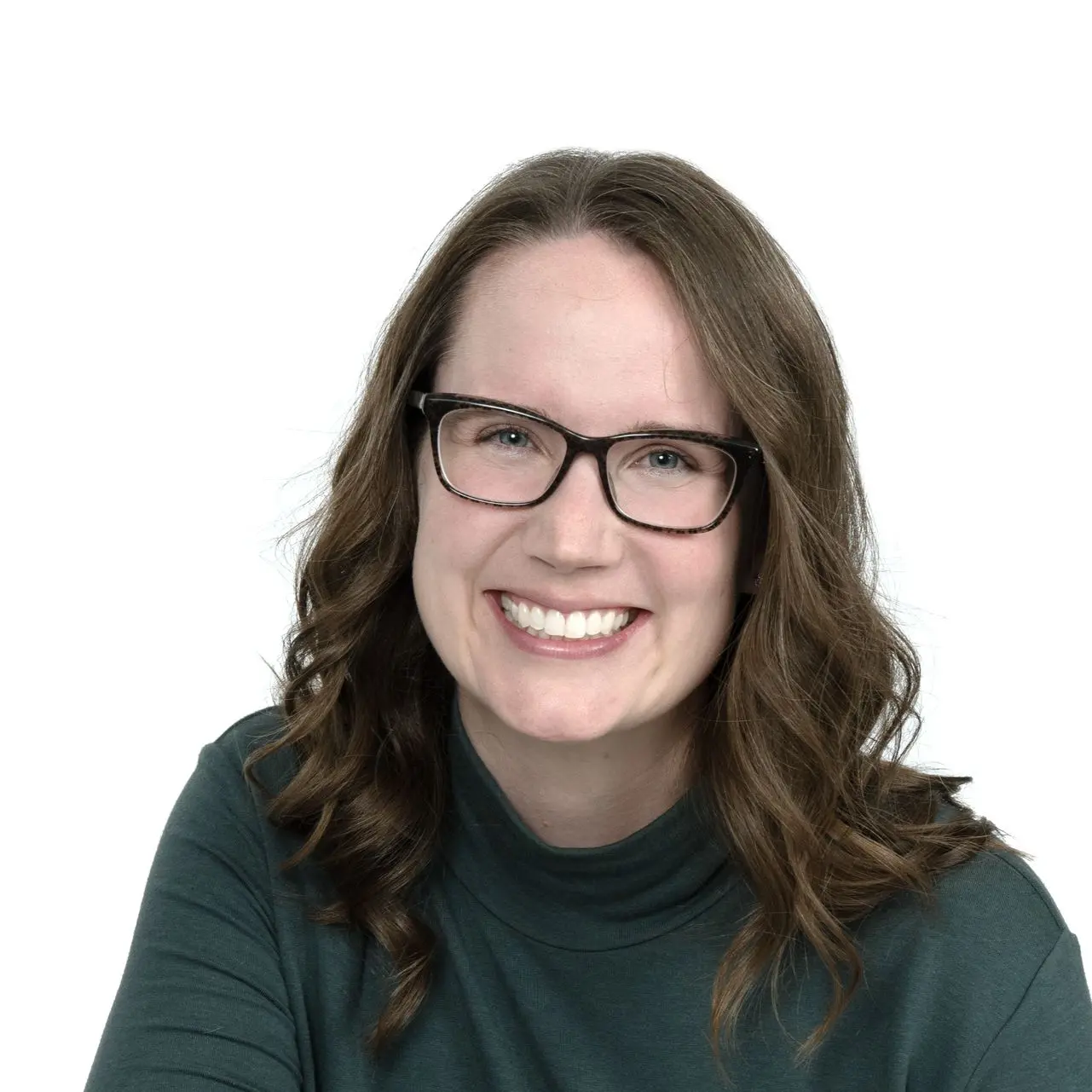
Laura Keating Elske

Laura Keating Elske

she/her

Facilitator and decision analyst

Laura believes decision science gives organizations and individuals a real advantage in achieving what truly matters to them.

  • Lead practitioner, Society of Decision Professionals
  • Published in Decision Analysis
  • MSc, University of Oxford
  • Stanford, Strategic Decisions and Risk Management
  • Former wildlife biologist
Read Laura’s story

Laura Keating Elske (she/her) is a skilled facilitator in collaborative structured decision making and decision analysis. She believes that decision science offers valuable insights that give organizations and individuals an advantage, increasing their chances of achieving what truly matters to them. Laura derives personal satisfaction from utilizing her expertise to support purpose-driven organizations such as non-profits, government, the B Corp community, start-ups, small businesses, and more.

Laura has gained extensive expertise over the past decade by leading and participating in structured decision-making processes in various fields. Her proficiency has been recognized with a lead practitioner certification from the Society of Decision Professionals. Her work has been published in several peer-reviewed journals, including Decision Analysis. Examples of projects that she has worked on include enterprise risk management for an electric utility cooperative, revenue forecasting for a local county, financial analysis for a potential executive education partnership, cost-benefit analysis to prioritize conservation projects, feasibility assessment for translocating an extirpated species-at-risk, and conservation planning workshops for endangered species.

Laura holds a Bachelor of Science degree in Environmental Science from Queen’s University, a Master of Science degree in Mathematical Modelling and Scientific Computing from the University of Oxford, and a professional certificate in Strategic Decisions and Risk Management from Stanford University. Prior to her career as a decision professional, Laura worked as an environmental consultant and wildlife biologist.
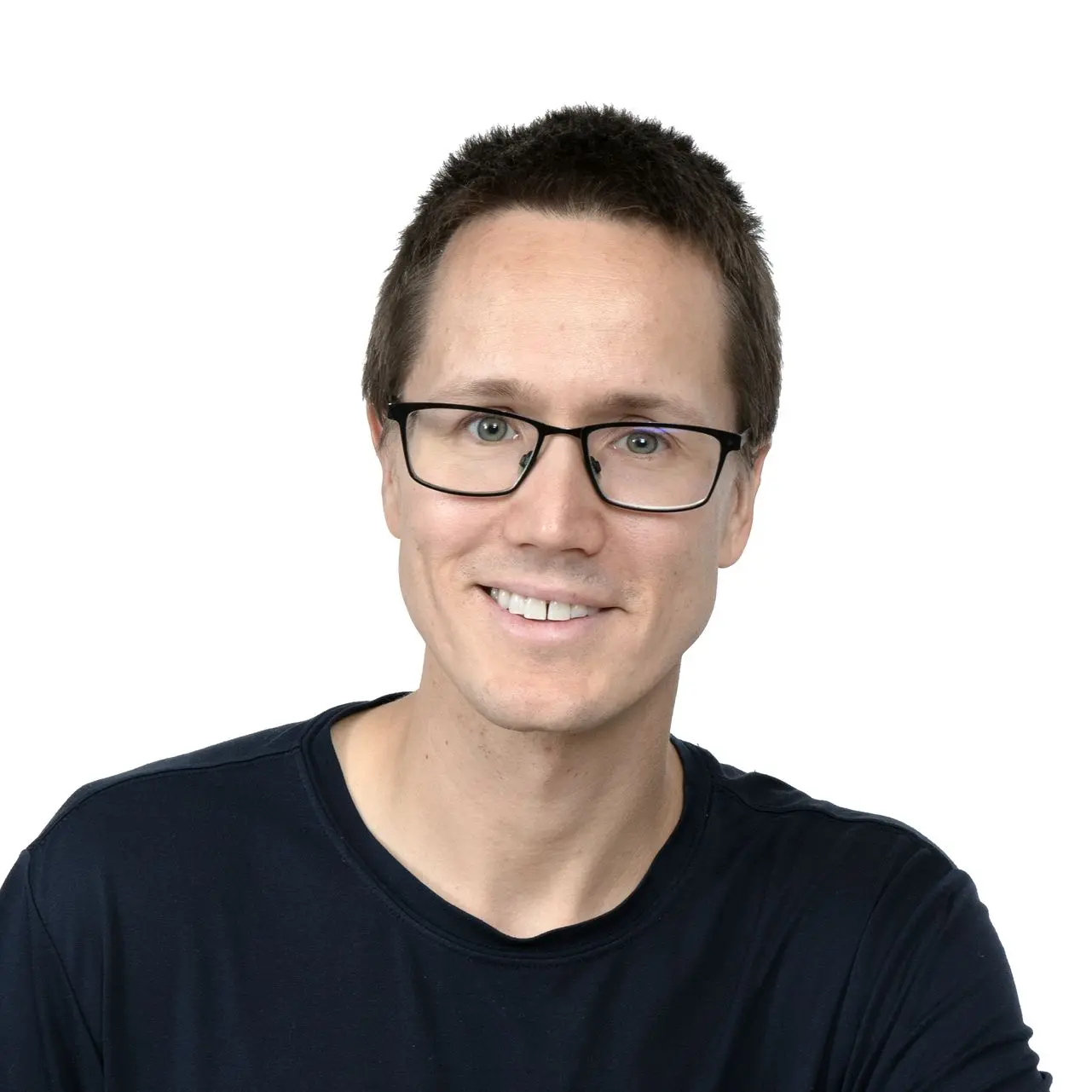
David Nelson Elske

David Nelson Elske

he/him

Climate, data and outside-the-box thinking

David worked on renewable energy data systems and realized that better data won’t solve the climate crisis: better decisions will.

  • Renewable energy data and analytics
  • Active transportation and livable cities
  • Community planning and climate action groups
  • BEng, University of Victoria
Read David’s story

David Nelson Elske (he/him) is motivated by the climate crisis to find mitigation and adaptation solutions to help people and the planet. Previously he worked for a renewable energy company building data collection and analytics systems. He realized that better data won't solve the climate crisis: better decisions will. Outside-of-the-box thinking has always come naturally to David, and he enjoys channeling it to help clients grow their business and impact.

Beyond work, David embraces climate action as a way to live a more fulfilling life.   He is driven by a passion for active transportation and a vision of building better, more livable cities, and spends much of his time helping community planning and climate action groups.  David holds a Bachelor in Electrical Engineering from the University of Victoria and an Advanced Diploma in Electrical Engineering Technology - Renewable Energy from Camosun College.

Help create a future that is better for all

Join us on a journey of radical inclusion.